
![[More Relaxing Than Disneyland] 5 Fun Things to Do with Kids on Uminonakamichi](/uploads/article/30a0487b7b0a7824e66d1b3318a198a7.jpg)

Advertisement
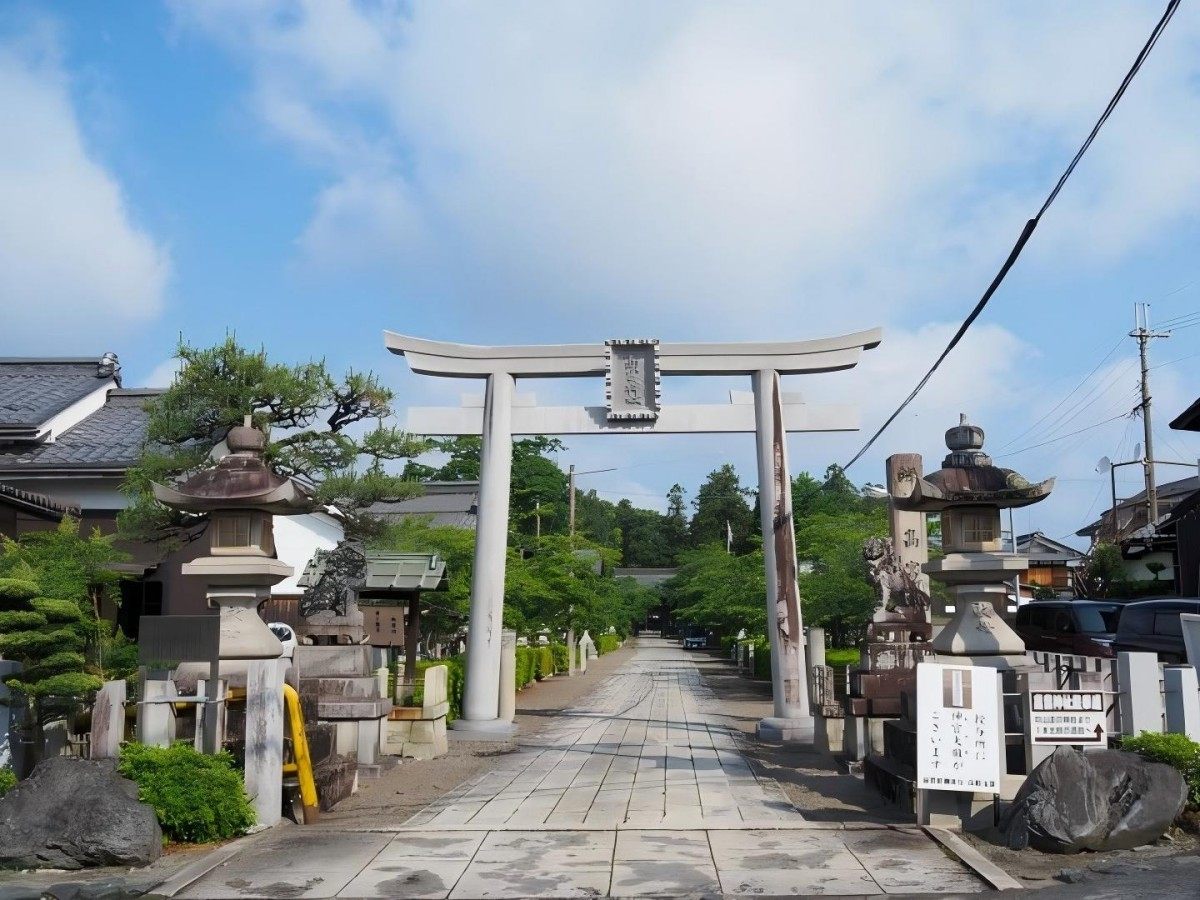
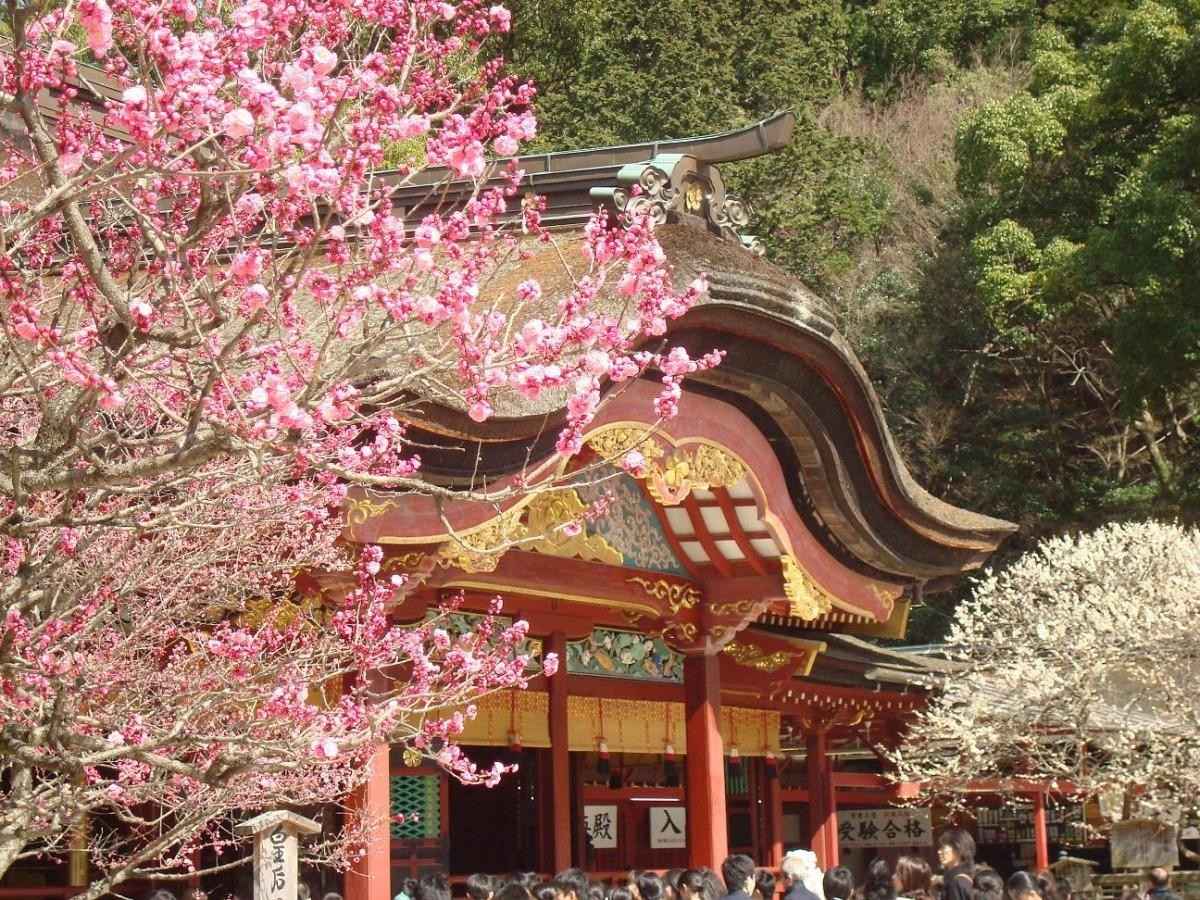
In Dazaifu City, Fukuoka, Japan, there is a shrine with a long history and full of mystery - Dazaifu Tenmangu Shrine. It is not only one of the head shrines of Tenmangu Shrines across Japan, and is as famous as Kitano Tenmangu Shrine in Kyoto, but also a holy place for people to pray for the blessing of Sugawara Michizane, the god of learning, culture and art. Every year, millions of tourists and believers come here to pray for their studies or to experience its unique historical charm. Next, let us walk into this most beautiful shrine in Fukuoka and explore its mysteries.
Advertisement
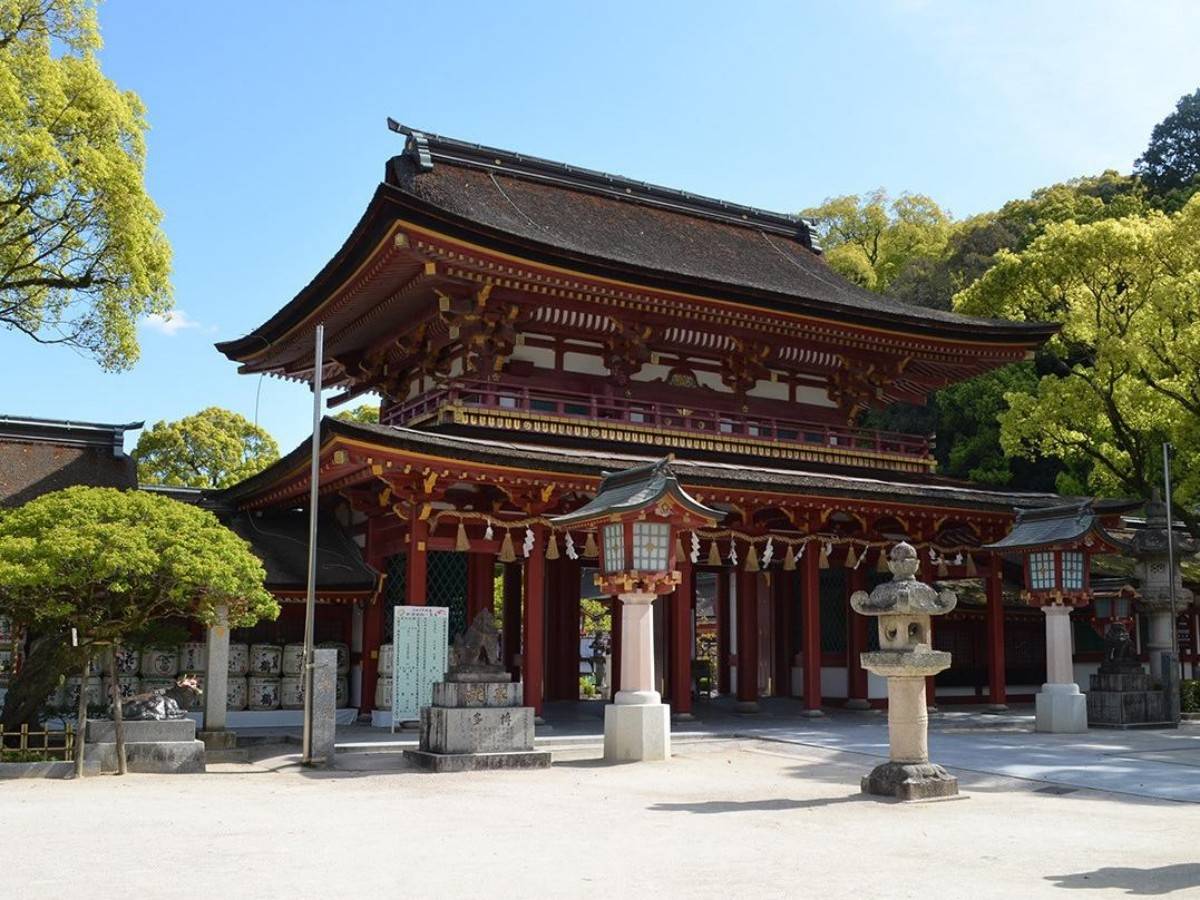
Dazaifu Tenmangu Shrine enshrines Sugawara Michizane, a scholar in the Heian period. Sugawara Michizane is known as the "God of Learning" and "God of Calligraphy" in Japan. He was able to write lyrics and poems at the age of 5, was awarded the title of Doctor of Literature at the age of 30, and became the Right Minister of Japan at the age of 55. He was talented and deeply respected by the Japanese. This shrine was built in 919 AD and has a history of more than 1,100 years. The long history has not only made it rich in cultural heritage, but also preserved many ancient buildings and traditional sacrificial activities, making it a cultural treasure of Fukuoka and even the whole of Japan.
Advertisement
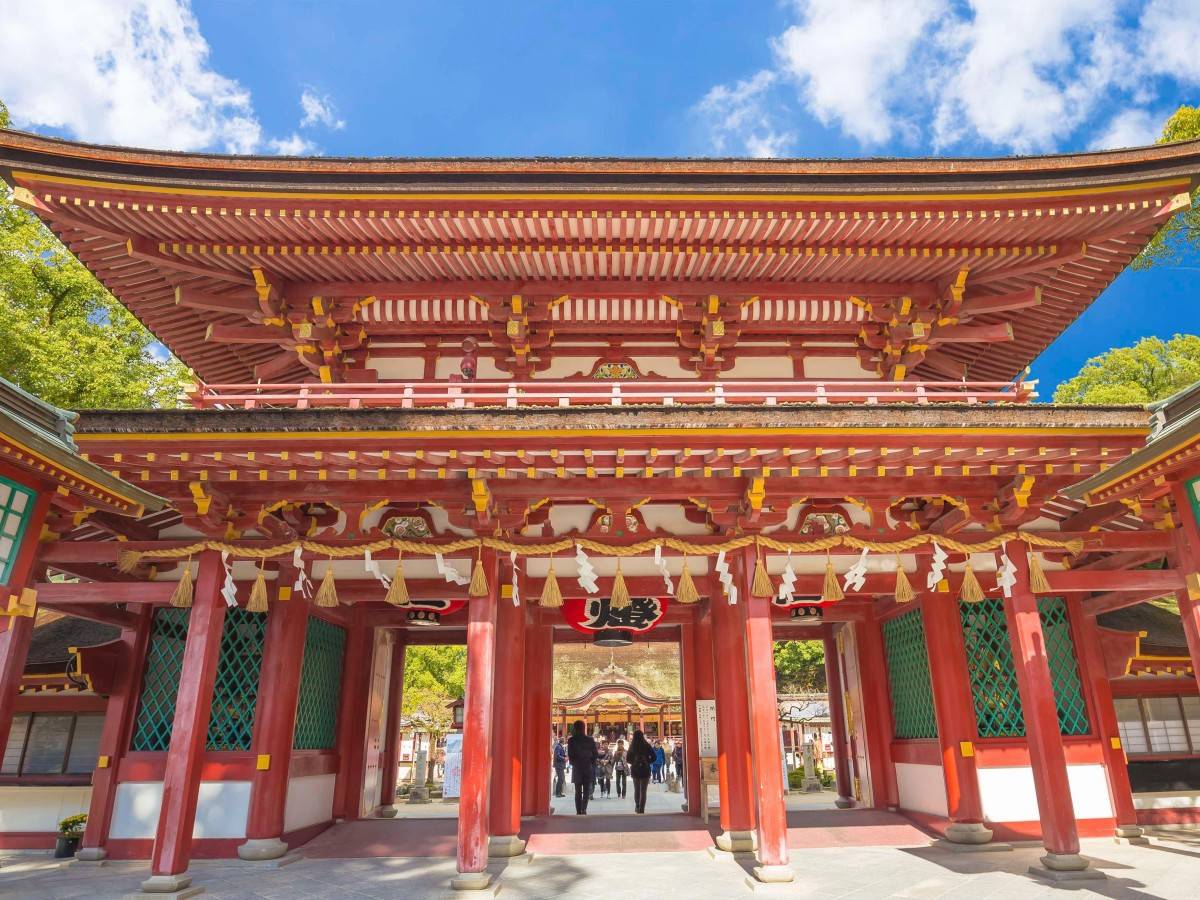
"Flying Plum" Gate: As the landmark building of Tenmangu Shrine, the "Flying Plum" Gate is simple and elegant, solemn and agile. Its name comes from the magical plum tree in front of the right side of the main hall. Legend has it that this plum tree flew from Kyoto and blooms the earliest every spring, so it is named "Flying Plum". This gate is also given a unique meaning because of the plum tree, attracting countless tourists to take pictures here, as if it is a door to the mysterious cultural world.
Advertisement
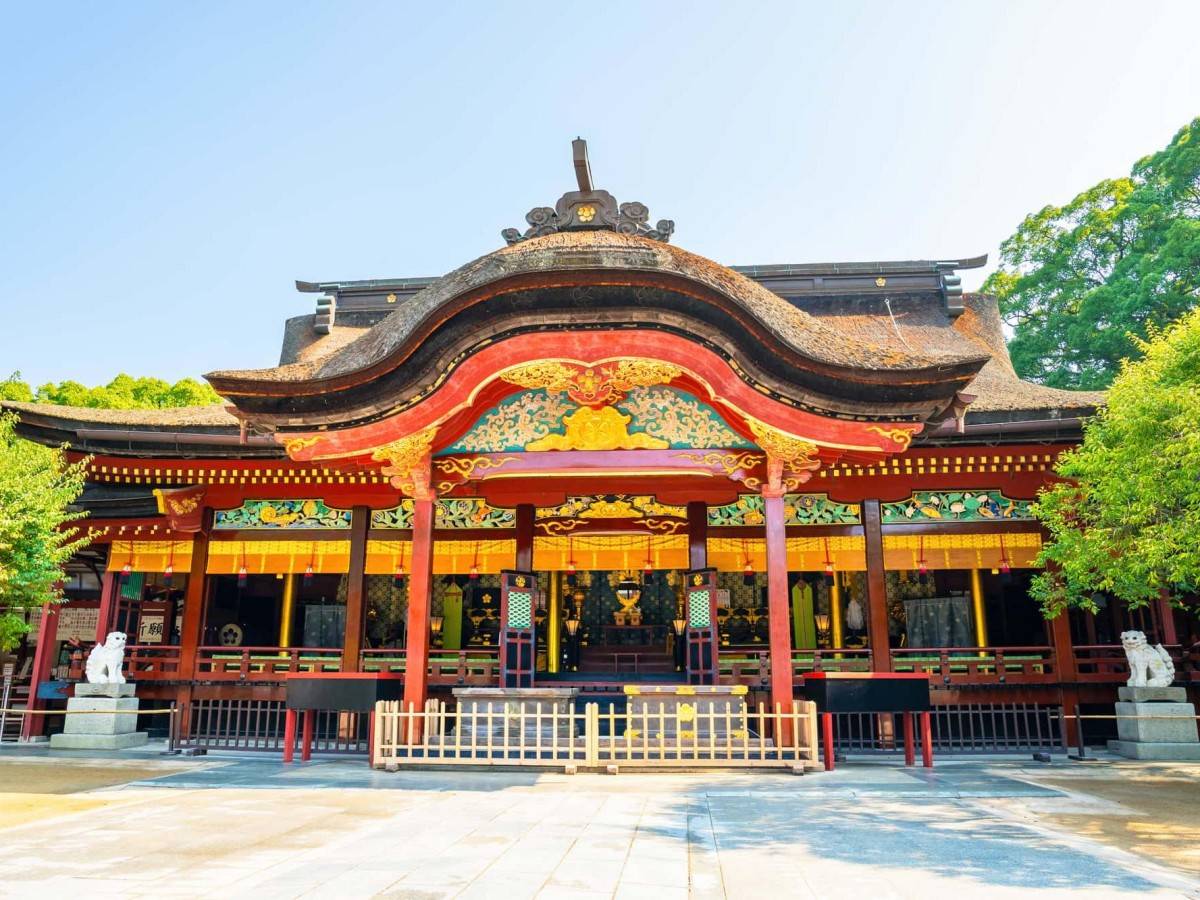
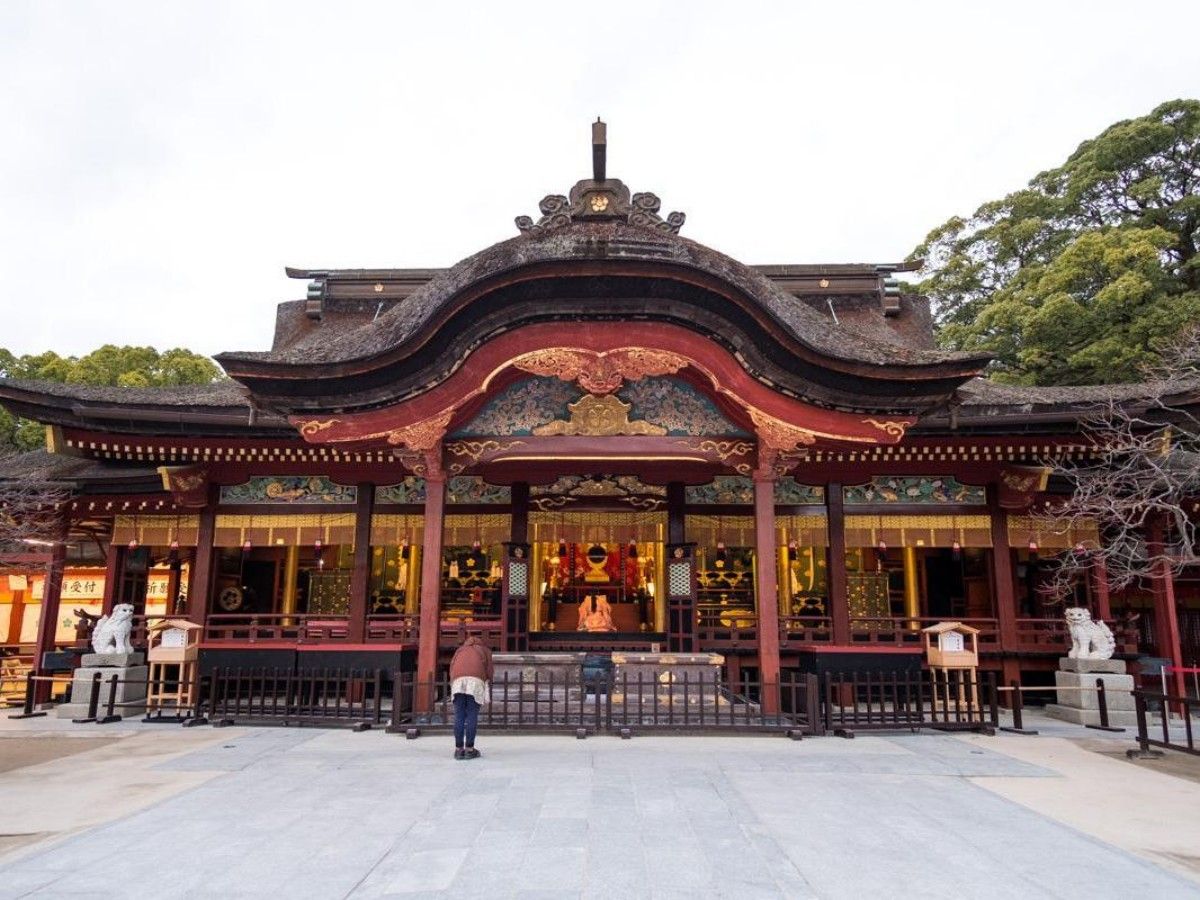
Main Hall: The main hall is built in the style of the Momoyama period and is magnificent. This is where Sugawara Michizane is enshrined and where his tomb is located. The solemn and solemn architectural style makes people feel awe the moment they step in. Every year, many believers come here to pray devoutly for the blessing of the god of learning and good luck for themselves or their families in their studies and careers.
Treasure Hall: The Treasure Hall houses many national cultural relics, which witness the development of Dazaifu Tenmangu Shrine and the cultural features of different historical periods. From ancient calligraphy works to exquisite sacrificial utensils, each cultural relic carries a heavy historical and cultural value and is an important window to understand ancient Japanese culture.
Dazaifu Tenmangu Shrine holds many traditional sacrificial activities throughout the year, the grandest of which is the "Tenjin Festival". In early April every year, the three-day "Tenjin Festival" attracts a large number of people to participate. During the period, the team dressed in traditional costumes marched in a mighty manner, carrying the shrine on a parade, accompanied by traditional music and dance performances. The scene was very lively, recreating the grand scene of ancient sacrifices and showing the unique charm of traditional Japanese folk culture. In addition, the "Tenjin City" on the 25th of each month is also unique. A market will be held in the shrine to sell various special handicrafts, antiques, delicacies, etc., full of life.
Opening hours: Spring Equinox Day - Open at 6:00 the day before the Autumn Equinox, otherwise open at 6:30; Closing time: April, May, September - November 19:00; June - August 19:30, December - March of the following year 18:30; Among them, it closes at 20:30 every Friday and Saturday, opens at 6:30 on December 31, is open all day from January 1 to January 3, and the closing time on January 4 varies according to the number of visitors. It is recommended to check the opening hours in advance and arrange the itinerary reasonably.
Tickets: Dazaifu Tenmangu Shrine is free of charge, and activities such as prayers require additional fees.
Transportation: From downtown Fukuoka, you can take the subway - Nanakuma Line at Hakata Station to Yakuin, and then take the Nishitetsu Tenjin Omuta Line from Yakuin to Dazaifu Station (note that some trains require transfers at Nishitetsu Nikkaichi Station). After exiting the station, follow the crowd and walk for about 5 minutes to see the gate of Tenmangu Shrine. You can also choose to take the Dazaifu minibus line "Mahoroba", passing Tenmangu Shrine, Dazaifu Station, Kannonji Temple, Dazaifu Government Office Ruins, Tofuro Station, etc. There are three buses per hour, one-way 100 yen, and a one-day pass is 300 yen.
Nearby food: In addition to plum cakes, there are many other foods around Dazaifu that are worth trying. For example, Ichiran Ramen in Dazaifu, the ramen here is different from other places. It uses a pentagonal noodle bowl and the noodles are twice as long, which is unique. In addition, you can also taste a variety of Japanese snacks, wagashi and local specialties to satisfy your taste buds.
Dazaifu Tenmangu Shrine has been carrying the wishes of countless people for thousands of years. Walking into it, the ancient buildings are calm and solemn, and the gorgeous flowers are blooming wantonly, which set off each other and form a unique beauty. When you finish your trip and prepare to return, your heart will be filled with reluctance to leave this experience. May the blessings here always accompany you, and when you recall it in the future, you will be able to feel the tranquility and comfort that is unique to Dazaifu Tenmangu Shrine.